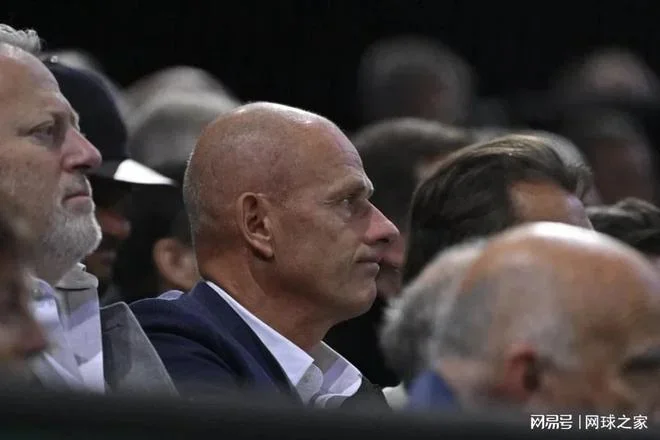
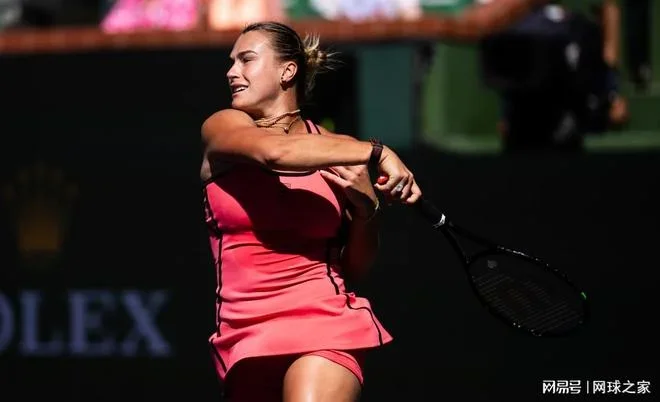
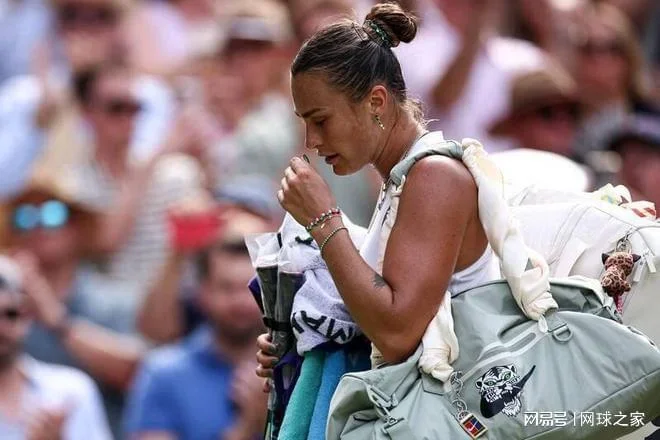
Ahead of the Italian Open, world No. 1 Aryna Sabalenka addressed one of tennis’ most contentious issues—prize money distribution. During a pre-tournament press conference, she openly stated that top players are collectively pushing for a greater share of Grand Slam revenue, even suggesting a potential boycott of major events. However, her stance has drawn sharp criticism from former French Open tournament director Guy Forget, who dismissed the players’ threats with blunt skepticism.
In an interview with a French tennis news outlet, Forget responded directly to claims that players are fighting for lower-ranked competitors. “Tennis is an individual sport, much like golf. Tennis players are the most selfish group—they always think about themselves and their own interests. Their entourages—agents, coaches, fitness trainers, PR staff—all depend on the players for their livelihoods. Naturally, these teams constantly push players to demand ever-higher earnings,” he said.
Forget, who served as tournament director of Roland Garros from 2016 to 2021, admitted that being out of that role allows him to speak freely. He argued that the current prize money controversy is not a genuine collective action by players, but rather a product of pressure from their inner circles.
“Players today can easily be manipulated by their teams, leading them into awkward and passive situations, sometimes even fueling greed,” Forget added. He maintained that the demands from top players like Sabalenka and Coco Gauff are largely driven by external pressures, not purely for the sake of fair play in the sport.
Regarding potential boycott threats, Forget was unequivocal. “If a player decides to boycott, that’s their choice. But I can guarantee that the French Open will still be sold out. Fans will still buy tickets.” He insisted that any such protest would have minimal impact on the Grand Slam’s foundation.
Forget also defended current prize money levels, pointing out that even a first-round loser at Roland Garros takes home 150,000 euros. “That’s an extraordinary sum for just two days of competition. The French Open is a celebration of clay-court tennis. I’d bet 90% of players would happily play just two matches and walk away with that much money.”
As a former professional player and Davis Cup captain, Forget has witnessed the evolution of tennis earnings. He acknowledged that Grand Slam prize money has risen significantly over the past decade but argued that the increases have been more than fair without needing player pressure. “In the last 10 years, Grand Slam prize money has doubled, with an average annual increase of nearly 15%. How many professions in the world offer a 15% yearly raise?”
He cited specific figures: even a mediocre player losing in straight sets in 45 minutes at the French Open now earns 80,000 to 90,000 euros. Meanwhile, Sabalenka has already accumulated over $4 million in prize money this season. Forget stressed that such high earnings are built on the legacy of legends like Martina Navratilova, Chris Evert, and Steffi Graf, who helped establish the commercial value of Grand Slams—not something current players should take for granted.
When asked about the core demand from players like Jannik Sinner, Sabalenka, and Alexander Zverev—that players should receive a fixed percentage of tournament revenue—Forget flatly rejected it. He compared it to the entertainment industry: “Tournaments are businesses that invest and take their own risks. Players demanding a share of revenue is like actors asking for a percentage of box office earnings. The system is simple: if you’re willing to compete, give your best; if not, someone else will take your place.”
Finally, Forget offered advice to contemporary players: “More stars will emerge in the future, perhaps earning even more than Sabalenka does now. I hope they will be grateful and recognize how fortunate they are, rather than constantly complaining about not earning enough. If I were 20 years old again in today’s tennis world, I would thank legends like Bjorn Borg and Roger Federer for paving the way that gives modern players such privileged conditions.”
Forget is the first former Grand Slam tournament director to publicly denounce the players’ prize money campaign. With Wimbledon’s prize money announcement expected soon, the ongoing debate over tennis earnings is set to face its next major test.