Portuguese agriculture is entering a new phase of demands. Producing remains the starting point, but it no longer guarantees competitiveness. In a context marked by high costs, international pressure, and growing market requirements, the sector is called upon to respond with greater efficiency, deeper integration, and the ability to differentiate.
The signs of this shift are clear. On one hand, the production structure faces well-known constraints. On the other, the value chain continues to reorganize to maintain closer proximity to the market and increasingly emphasize attributes such as quality, origin, and sustainability.
For Luís Mira, Secretary-General of the Confederation of Portuguese Farmers (CAP), the evolution is evident, but so are its limits. “The agricultural sector is undoubtedly more competitive,” he says, pointing to investment in innovation and new technologies as key factors. Still, he stresses that structural weaknesses persist, holding back progress.
Among these weaknesses are context-related costs. “Difficulties in accessing labor, heavy tax burdens, and an inefficient public administration in the swift application of EU funds particularly penalize national producers,” he notes, comparing Portugal to competing markets like Spain or France.
The pressure is not uniform but runs through the entire chain. Energy, fertilizers, and water continue to weigh on production costs, in a scenario where public support varies between countries. “The support provided by some countries, such as Spain, is in many cases substantially higher, which affects the competitiveness of our producers,” he adds.
Water is a challenge that extends beyond the sector: it requires public policy responses and investment in water infrastructure. Immigrant labor, which already accounts for 53% of agricultural workers according to CAP data, is another factor of structural vulnerability.
“It’s difficult for Portugal to differentiate itself through quantity, but it has a clear advantage in quality, authenticity, and added value,” says Ondina Afonso, President of the Continente Producers Club and Director of Quality and Research at MC.
More than producing, it’s necessary to create value
If the diagnosis on the production side is well known, the response increasingly lies in how the sector organizes itself along the chain.
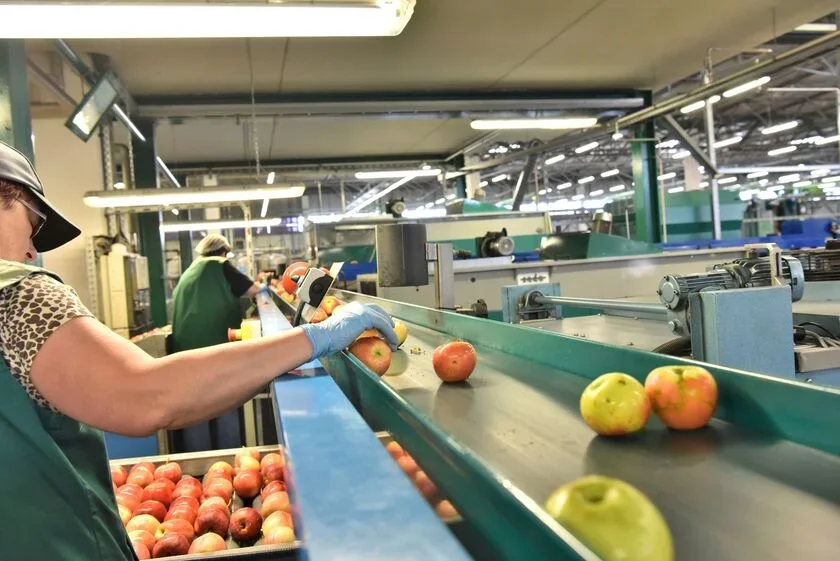
Ondina Afonso emphasizes that competitiveness cannot be analyzed only at the source. “It’s essential to invest in sustained productivity growth and, above all, in integrating processing stages throughout the chain, allowing greater efficiency, waste reduction, and better value creation.”
The Continente Producers Club, created more than 25 years ago, has played an active role in modernizing the sector through initiatives ranging from technical training to risk management. “The goal is to support producers in modernizing their production models, making them more competitive, resilient, and prepared for the future,” she explains.
This approach is based on a logic of shared investment, knowledge, and risk. Sustainability and quality are no longer just a cost; they become part of the economic equation. “When well integrated, they become factors of efficiency and economic competitiveness,” she states.
Still, the balance is not automatic. Luís Mira acknowledges that asymmetries persist in the relationship between production and distribution. “While recognizing the greater bargaining power of distributors,” he stresses the importance of medium- and long-term partnerships to ensure profitability and sustainability for both sides.
Differentiation begins at the operational level.
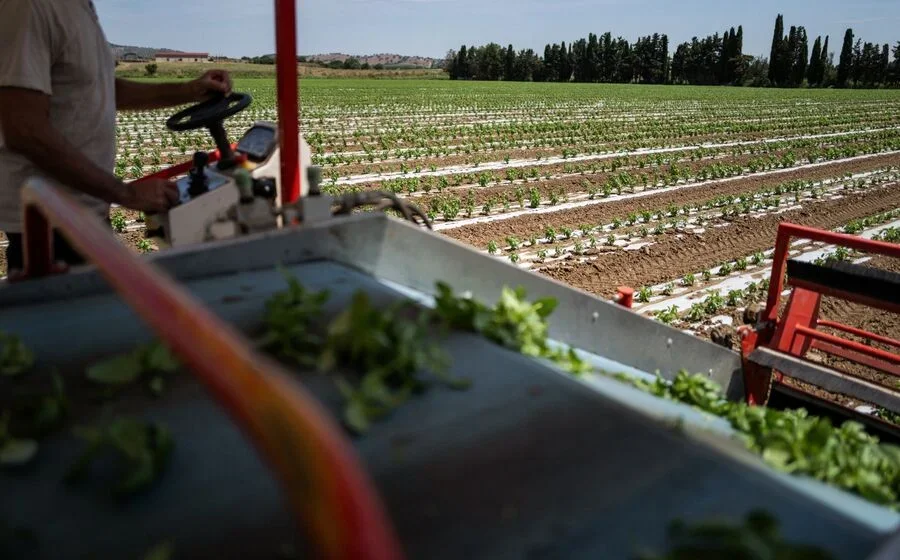
Competitiveness is also built through the ability to innovate in production processes, adopt precision agriculture, and strengthen links with the market. Producers who invest in traceability, certification, and sustainable practices are better positioned to command premium prices and resist price pressure. The future of Portuguese agriculture depends less on volume and more on creating value at every step of the chain.